Google reviews for driving schools: asking on pass day and replying to fails
When to ask without filtering anyone out, what to do when a review names an instructor and how to reply to a failed test.
The best way to get Google reviews for driving schools is to ask every pupil as they finish with you, using the test pass as the natural moment, and to reply to every review, including the ones from pupils who failed. Few local businesses spend months with each customer and then have such a clear finish line. This guide covers when to ask, how to stay within Google's rules, what to do when a review names an instructor and how to reply to complaints about a failed test.
Why driving schools are different
People choosing a driving school usually compare three or four local options on Google Maps, looking at the star rating, how close the school is and what past pupils say. Often it's a parent reading the reviews. It's a decision worth hundreds of pounds and months of lessons, so reviews carry real weight. A few things make your situation unusual:
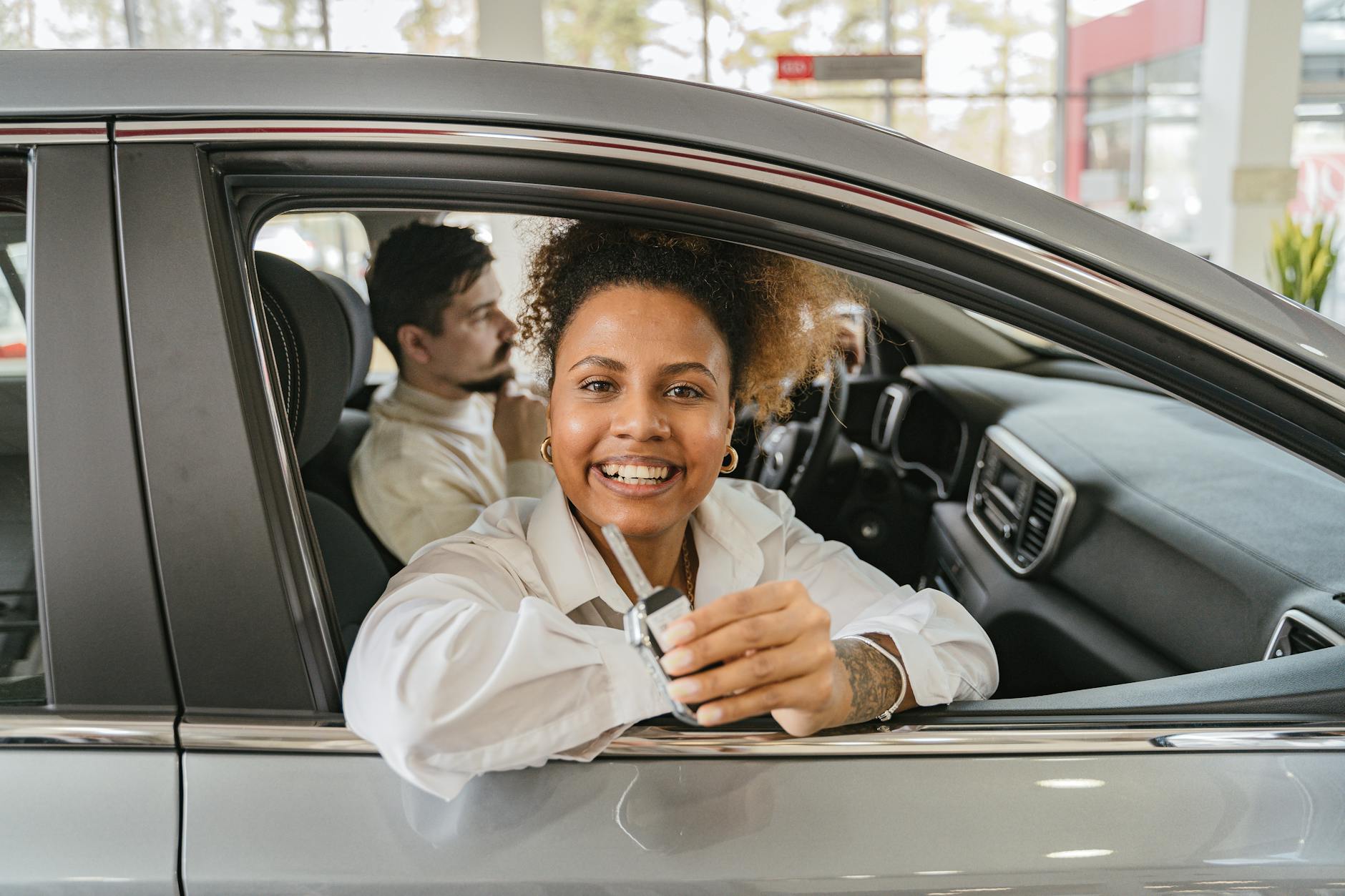
Photo by Antoni Shkraba on Pexels
- The relationship is long. Pupils know their instructor by first name and remember whether lessons started on time.
- There's a clear ending. Pass day is when a pupil is happiest with you. After that, they rarely come back.
- You don't conduct the test. DVSA examiners do, but the disappointment of a fail often lands on your Google Business Profile.
- Failing is normal. The DVSA driver testing statistics for January to March 2024 put the car practical test pass rate at 47.0%. More than half of tests end in a fail, so how you handle those reviews matters.
When to ask: on pass day, but not only then
The obvious moment is the pass. Your pupil gets out of the car grinning and messages you straight away. One line is enough: "Congratulations! Would you mind leaving us a Google review about your lessons with Sam? Here's the link."
There's a catch. Google Maps' content policy forbids businesses from discouraging negative reviews or selectively soliciting positive reviews. If you only ever ask pupils who pass first time and never those who fail or drop out, you're filtering, even if you don't mean to. Make the request part of every pupil's goodbye instead:
- After the practical test, pass or fail, once things have settled.
- When a pupil stops lessons, for example because they're moving away or taking a break.
- After the theory test, if you'd like reviews about theory support. Optional, but it adds variety.
A simple team rule: "Everyone who leaves gets asked."
What you can't do
Google's own guide to getting and replying to reviews says offering incentives in exchange for reviews counts as fake engagement and is prohibited. In the UK the Competition and Markets Authority also published guidance on fake reviews under consumer protection law. For a driving school that means:
- No free lesson in return for a five-star review.
- No discount on a sibling's block booking for a review.
- No reviews from your own instructors about the school (a conflict of interest Google removes).
- Never asking a pupil to change or delete a negative review.
How to ask: link, WhatsApp and the office
Most instructors already message pupils about lesson times and test dates. Use that: create your Google review link and save it as a quick reply, so any instructor can send it from the car after the last lesson. If pupils call into an office to pay or book, a tap-to-review stand on the desk works too. The guide on how to ask customers for Google reviews has message templates for WhatsApp, text and email. A version for a driving school in Leeds:

Photo by Andrea Piacquadio on Pexels
"Huge congratulations on passing, Chloe! It's been a pleasure teaching you. If you'd like to share how you found your lessons, here's our Google page: [link]. Your feedback helps us improve. Drive safe!"
Notice it asks for an honest opinion, not five stars.
Reviews that name an instructor
Driving school reviews often praise one person: "Thanks to Dave for his patience, passed first time!" That's great news, but handle it with care:
- Thank them on behalf of the school and, if the instructor is happy with it, mention them: "We've passed this on to Dave and it made his week."
- Agree with your team first. Some instructors like being named; others would rather not.
- If a review criticises an instructor by name, don't defend them by attacking the pupil. Reply as the school and offer to talk privately.
- Never share pupil details. No lesson counts, test faults or number of attempts in a public reply.
Replying to complaints about a failed test
The classic driving school complaint: "Failed twice, wasn't prepared properly, they just want more lessons." The temptation is to point out that the examiner works for DVSA and the pupil wasn't ready. That rarely looks good to someone reading your profile. A better reply:
Photo by Daniil Kondrashin on Pexels
- Acknowledge the frustration without arguing.
- Explain without blaming: the test is conducted by an examiner; your job is to prepare pupils as well as you can.
- Offer something concrete: a review of their progress or a chat with the school owner.
- Take it offline with a phone number or email.
"Hi Ryan, we understand how frustrating it is to fail after all that effort, and we're sorry you felt under-prepared. We'd like to go through your lessons with you and see what we can change before your next test. Please give the office a ring and ask for Helen."
For complaints about the cost of extra lessons, see how to reply to reviews complaining about price.
Replying to every review without losing your evenings
A school with several instructors can collect dozens of reviews a year, and pass-day reviews start to sound alike. HolaRevi connects to your Google Business Profile and drafts an AI reply for each review, picking up what the pupil mentions (the instructor, the theory help, the test). You can auto-post positive replies and keep negative ones for manual approval, set your own tone instructions (such as "only name an instructor if the review does") and get negative review alerts plus a weekly summary email. There's a free plan with up to 5 published replies a month, and paid plans with unlimited replies (Local and Pro come with a 14-day free trial).
Google reviews for driving schools: a checklist
- Complete Google Business Profile: office hours, areas covered, licence types and photos of your cars.
- Review link saved as a quick reply on every instructor's phone.
- Team rule: every pupil who finishes is asked, pass or fail.
- No gifts, discounts or free lessons for reviews.
- Agreement with instructors about being named in replies.
- Every review answered within a few days, with negative ones always read by a person.
- No pupil details in any reply.
If you'd rather not spend your evenings writing replies, try HolaRevi for free and choose what posts automatically and what you check first. Your pupils still write the reviews; you just make sure none of them goes unanswered.
Frequently asked questions
Can I give a free lesson in exchange for a Google review?
No. Google's policies prohibit offering incentives such as discounts, gifts or free services in return for reviews, and in the UK the CMA treats incentivised reviews as a consumer protection issue too. A free lesson or a discount on a sibling's lessons counts as an incentive. Instead, ask every pupil for their honest opinion with a direct link at the right moment.
Should I only ask pupils who pass for a review?
No. Google forbids selectively soliciting positive reviews, and only asking pupils who pass first time comes very close to that. Pass day is a great moment to ask, but the rule should be that every pupil who finishes with you is asked, whether they passed or not. Your reviews then reflect real experiences and you stay within the rules.
How do I reply to a review from a pupil who failed their test?
Acknowledge the frustration without arguing, explain without blaming anyone that the test is conducted by an examiner and your job is to prepare pupils as well as you can, then offer something concrete, such as reviewing their progress before the next test. Finish with a phone number or email so you can talk privately. Never mention their faults or number of attempts.