How to Implement a Review Rewards Program in Your Restaurant
Boost customer loyalty by encouraging reviews
Implementing a review rewards program in your restaurant is an effective way to boost customer loyalty and encourage patrons to leave reviews on platforms like Google. This strategy not only enhances your business's visibility but also strengthens your relationship with customers.
What is a Review Rewards Program?
A review rewards program in a restaurant incentivizes customers to share their experiences by leaving reviews. Typically, some form of benefit is offered in exchange for their feedback. This could include discounts on future visits, free products, or redeemable points.

Photo by Kampus Production on Pexels
Incorporating such a program can have a positive impact, as reviews are crucial for attracting new customers. Research shows that businesses with more reviews tend to have greater online visibility, leading to more potential customers. Moreover, a well-designed rewards program can create a positive feedback loop, where reviews attract more customers, and more customers generate more reviews.
It's important to ensure that a rewards program does not compromise the sincerity of the reviews. The key is to incentivize quantity without affecting the quality and honesty of the feedback.
Benefits of Implementing a Review Rewards Program
Implementing a review rewards program in your restaurant can bring multiple benefits:
Increased Online Visibility: Reviews enhance your restaurant's presence on platforms like Google and TripAdvisor. The more positive reviews you have, the more likely your restaurant will appear in local searches.
Improved Reputation: Positive reviews build trust with new customers. A satisfied customer who leaves a positive review becomes an ambassador for your brand.
Customer Loyalty: Customers who are rewarded for their feedback are more likely to return and recommend your business to friends and family.
Valuable Feedback: Reviews provide insights into what works well and what could be improved in your restaurant. This gives you the opportunity to make necessary adjustments to enhance the customer experience.
Competitive Edge: A rewards program can set you apart from other local restaurants that don't have one. This can be a deciding factor for customers when choosing a place to eat.
Implementing such programs benefits not only your business but also reinforces customer relationships by showing that you value their opinions.
Structuring an Effective Review Rewards Program
To create a successful review rewards program in your restaurant, follow these steps:

Photo by Gustavo Fring on Pexels
Define Your Objectives: Before you start, determine what you aim to achieve with the program. Are you looking to increase reviews, improve your reputation, or boost customer loyalty? Clearly defined goals will help you design a more effective program.
Choose the Rewards: Offer discounts, free products, or points that translate into benefits. The rewards should be attractive and relevant to your customers. For example, a free coffee on the next visit or a 10% discount on the next meal can be effective motivators.
Set the Rules: Clearly define how customers can participate and what they need to do to receive the reward. Ensure the rules are simple and easily understandable to avoid confusion.
Promote the Program: Use your social media, email, and the restaurant itself to publicize the program. Effective marketing is crucial to ensure customer participation. Check out some local marketing strategies for restaurants that can help.
Monitor and Adjust: Use tools like HolaRevi to manage reviews and adjust the program based on results. Gather data on the quantity and quality of reviews and adjust the rewards or rules if necessary.
A well-structured and clearly communicated program will be more effective in the long run.
Success Stories: Restaurants that Improved Reputation with Rewards
Several restaurants have successfully implemented review rewards programs:
Restaurant A: Implemented a points system where each verified review earned points redeemable for a free drink. Within three months, they saw a 30% increase in reviews, which also raised their average rating.
Restaurant B: Offered a 10% discount on the next visit to those who left a review. This increased their loyal customer base and improved their Google rating from 3.8 to 4.5.
Restaurant C: Introduced a special weekly "Happy Hour" exclusively for customers who had left a review in the last month. This strategy not only encouraged review writing but also boosted traffic on slower days.
These examples demonstrate that a rewards program can be a powerful tool to enhance your restaurant's image and attract more customers. Tailoring the program to your business's unique characteristics can maximize its benefits.
Legalities and Best Practices in Rewards Programs
It's crucial to ensure your review rewards program complies with legal regulations and the policies of review platforms. For instance, Google explicitly prohibits any incentives that could alter the objectivity of reviews. Here are some guidelines to ensure your program is legal and ethical:
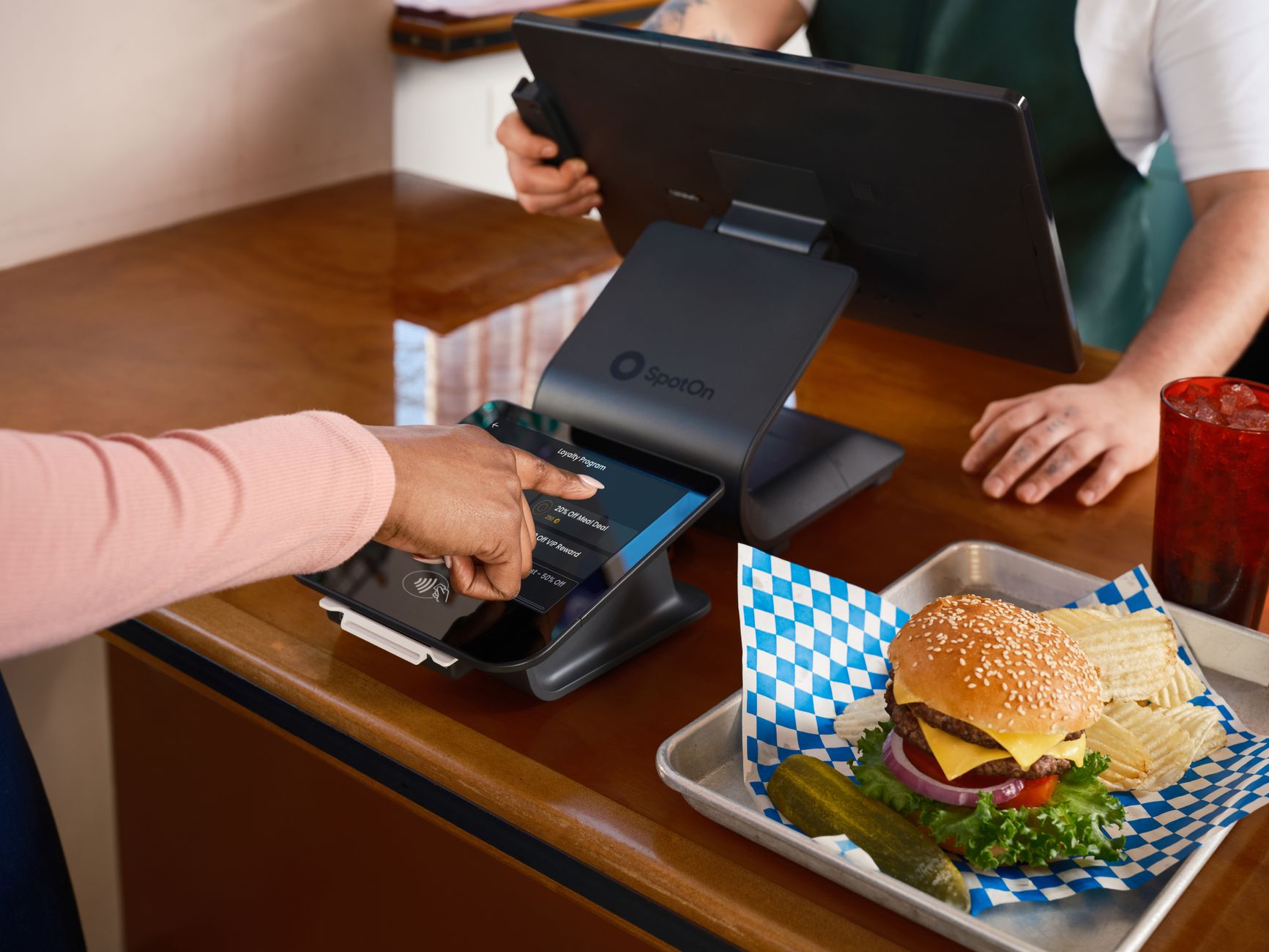
Photo by SpotOn POS on Pexels
- Voluntary Participation: Ensure reviews are voluntary. Customers shouldn't be coerced into writing a review.
- Transparency: Be clear and honest about how the program works and the rewards offered. Inform your customers that a review is required for the reward, but don't ask for it to be positive.
- No Manipulation: Don't request positive reviews in exchange for rewards, only honest ones. The authenticity of opinions is crucial for other customers' trust.
- Regular Review: Periodically review your program to ensure compliance with current regulations and adapt to any changes in review platform policies.
Adhering to these guidelines will keep you on the right side of the law and strengthen your restaurant's credibility.
Common Mistakes and How to Avoid Them
When implementing a review rewards program, there are some common mistakes to avoid:
Lack of Clear Objectives: Without specific goals, it's hard to measure the program's success. Clearly define what you want to achieve: more reviews, better ratings, or increased customer loyalty.
Unattractive Incentives: Rewards must be appealing enough to motivate customers. Ensure the rewards are valuable and relevant to your audience.
Insufficient Promotion: If customers aren't aware of the program, they can't participate. Use multiple channels to inform your customers, like social media, emails, and in-restaurant signage.
Ignoring Feedback: Not using reviews to improve the customer experience is a costly mistake. Use customer opinions to make significant improvements in your restaurant.
Failing to Deliver Promised Rewards: Ensure customers receive promised rewards promptly and without hassle. Failure to do so can damage customer relationships and your reputation.
Avoiding these mistakes will help you implement a more effective and sustainable rewards program.
Key Takeaways
- A review rewards program can increase online visibility and customer loyalty.
- It's important to set clear objectives and choose attractive rewards.
- Promote the program effectively and adjust based on results.
- HolaRevi can help you manage and monitor reviews efficiently.
- Comply with legal guidelines and be transparent with your customers.
Conclusion and Next Steps for Implementing a Program
Implementing a review rewards program in your restaurant can make a significant difference in terms of visibility and customer satisfaction. Start by defining your objectives, choosing attractive rewards, and promoting the program effectively. Don't forget to measure results and adjust the strategy as needed. Use tools like HolaRevi to efficiently manage reviews and enhance your restaurant's online reputation.
If you want to learn more about boosting your business with local marketing strategies, we recommend reading our article on Local Marketing Strategies for Restaurants.
Frequently asked questions
Is it legal to offer rewards for reviews in restaurants?
Yes, it's legal as long as reviews are voluntary and not exchanged for specific or positive reviews. Ensure compliance with platforms like Google's policies.
What types of rewards work best in restaurants?
Discounts on future visits, free products like drinks or desserts, and redeemable points are effective options that motivate customers.
How can I promote the rewards program to customers?
Use social media, email, and in-restaurant signage to inform customers. Mention it at the end of service when delivering the bill.
What tools can I use to manage the rewards program?
Tools like HolaRevi are excellent for managing and monitoring reviews. They also allow you to adjust the program based on results and customer feedback.