How to Respond to Negative Google Reviews Effectively
Strategies to Protect Your Business Reputation
Responding to negative Google reviews may seem daunting, but it is an opportunity to demonstrate professionalism and enhance your business's perception. Here, we outline effective strategies to manage these comments and protect your reputation.
Importance of Responding to Negative Reviews
Responding to negative reviews is crucial for maintaining your business's reputation. Addressing dissatisfied customers not only helps pacify them but also shows potential clients that you value their opinions. By responding, you have the chance to correct mistakes and demonstrate your commitment to continuously improving your services. Moreover, a positive response can transform a bad experience into a second chance to secure customer loyalty.

Photo by iMin Technology on Pexels
A BrightLocal survey shows that 97% of consumers read business responses to reviews. Ignoring negative feedback can imply a lack of concern for customer opinions, potentially damaging your reputation more than the critique itself. Conversely, a polite and constructive response can leave a lasting impression on other readers, showcasing that you take feedback seriously and are working towards improvement. For more insights on how reviews can transform your business, check out this article.
How to Stay Calm and Objective When Responding
When faced with negative feedback, maintaining calmness and objectivity is key. Here are some tips to achieve that:
- Take a Deep Breath: Pause before responding to avoid reacting emotionally. This will help you view the situation more clearly and rationally.
- Investigate the Case: Review the details mentioned in the review. This allows for a precise response. Consult with involved staff to gain a complete understanding of the event.
- Do Not Take the Criticism Personally: Remember, the criticism is about a specific experience, not you as a person. This helps separate personal emotions from professional issues.
- Think Long Term: A well-considered response can positively impact public perception of your business. Reputation is built over time, and every interaction counts.
Every negative review is an opportunity to learn and improve. Consider reviews as valuable feedback that can drive business growth. Additionally, maintaining a positive focus helps keep your team’s morale high, which is essential for delivering excellent customer service.
Ideal Structure for an Effective Response
To respond effectively to a negative review, consider following this structure:
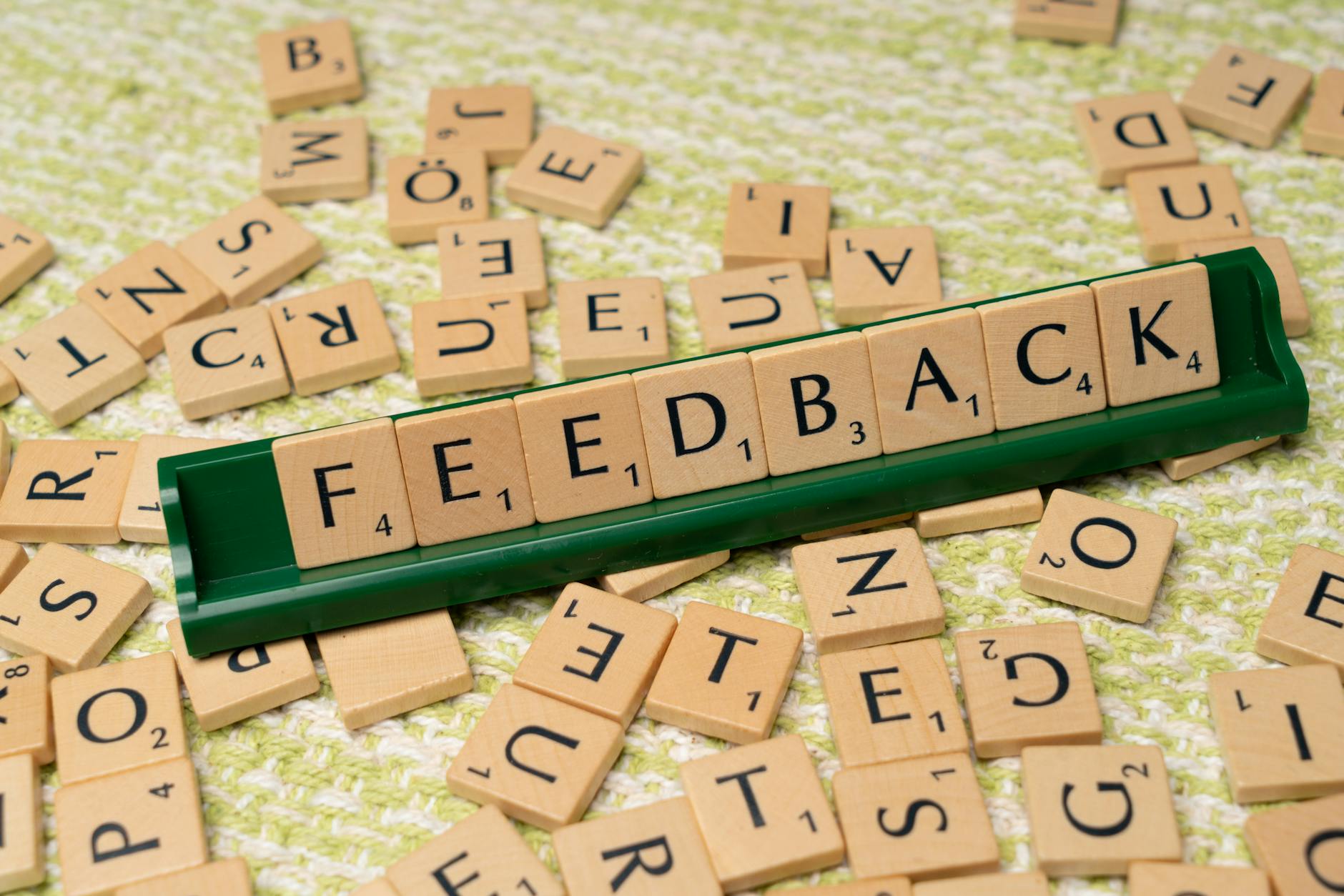
Photo by Markus Winkler on Pexels
- Thank the Customer for Their Feedback: Acknowledge that they took the time to write a review, serving as a good starting point. For instance, "Thank you for sharing your experience with us."
- Offer a Sincere Apology: Even if you disagree, an apology shows empathy and willingness to resolve issues. "We are sorry that your experience did not meet your expectations."
- Briefly Explain the Situation or Actions Taken: Without going into too much detail, inform about steps being taken to address the issue. "We are reviewing our procedures to ensure this doesn't happen again."
- Offer a Solution or Compensation: If possible, invite the customer back for a better experience. "We’d love to invite you back to enjoy our services as you deserve."
- Invite Further Discussion in Private: Provide a channel for more detailed discussion, such as an email or phone number. "Please contact us at [email@yourdomain.com] to discuss your experience directly."
Following this structure can turn a negative interaction into an opportunity for improvement and demonstration of your commitment to customers.
Examples of Responses to Negative Reviews
Here are some examples of how you might respond to different types of criticism:
Poor Service: "Thank you for your feedback. We are sorry that your experience was unsatisfactory. We are reviewing the service with our team to prevent this from happening again. We would love to have the opportunity to make it up to you on your next visit. Please contact us at [email@yourdomain.com] to discuss how we can improve your experience."
Cold Food: "We apologize for the cold food you received. This does not reflect our quality standards. We are working to improve our delivery process. Please contact us at [email@yourdomain.com] to offer you compensation."
Generally Unsatisfactory Experience: "Thank you for sharing your comments. We take our customers' experiences seriously and regret not meeting your expectations. We are working diligently to improve our services. We would appreciate a second chance to show you what we can truly offer."
These examples illustrate how to address critiques constructively, showing empathy and willingness to improve. They also leave the door open for the customer to return and have a better experience.
Common Mistakes When Responding to Negative Reviews
When responding, avoid these common mistakes that can worsen the situation:

Photo by Kindel Media on Pexels
- Reacting Impulsively: Take time to craft a thoughtful response. Responding with anger or frustration will only escalate the situation.
- Denying the Problem: This can make the customer feel invalidated. Instead, accept the criticism and work on improvement. Acknowledging the problem is the first step to resolving it.
- Arguing with the Customer: Always maintain a professional attitude and avoid public confrontations. This will only harm your reputation further.
- Ignoring the Review: Not responding may give the impression that you don't care about customer opinions. Responding shows that you value feedback and are willing to improve.
Also, avoid a defensive tone or excessive justifications. Show empathy and a willingness to solve the problem. Remember, each response is an opportunity to showcase your business's human and committed side.
Using AI to Assist in Responses
Artificial intelligence can be a useful tool for managing negative reviews. Platforms like HolaRevi offer automated solutions to generate polite and personalized responses. These tools can help you save time and ensure each response maintains a professional tone consistent with your business image.
With AI, you can quickly analyze patterns in critiques and adjust your services accordingly. You can also use it to monitor your reviews and receive alerts when new ones are posted, allowing you to respond more promptly. Additionally, automation can help you maintain consistency in the tone and style of your responses, ensuring they always reinforce your business values and mission.
Key Takeaways
- Responding to negative reviews is crucial for your business's reputation.
- Stay calm and respond objectively.
- Follow a clear response structure: gratitude, apology, solution, and private contact.
- Avoid common mistakes like denying the problem or reacting impulsively.
- AI can be a valuable ally in managing responses.
Conclusion and Next Steps to Improve Reputation
Responding appropriately to a negative Google review is just one step in effectively managing your business's online reputation. Implementing a review management system like HolaRevi can help you stay on top of all opinions, facilitating quick and effective responses. Additionally, consider improving customer service to reduce the number of negative critiques from the outset. Check out our strategies for improving customer service and discover how Google reviews can transform your business.
Taking proactive measures, such as encouraging satisfied customers to leave their feedback via QR codes, can balance negative critiques with positive ones, thus improving your reputation overall.
Frequently asked questions
Why is it important to respond to a negative review?
Responding to a negative review is crucial for maintaining a good online reputation. It shows customers that you value their opinions and are willing to improve, potentially turning a negative experience into a loyalty opportunity.
How can I structure my response to a negative review?
An effective response should include gratitude, a sincere apology, a brief explanation or steps taken, an offer of a solution or compensation, and an invitation for further private conversation.
What should I avoid when responding to a negative review?
Avoid responding impulsively, denying the problem, arguing with the customer, or ignoring the review. These mistakes can worsen the situation and harm your business's reputation.
Can AI help me manage negative reviews?
Yes, AI can assist in managing reviews by providing automated and personalized responses, analyzing critique patterns, and ensuring a professional and consistent tone in every interaction.