Enhance Customer Experience with Restaurant Reviews
Leverage reviews to transform your service
Customer reviews are a powerful tool for enhancing the experience in your restaurant. By utilizing them effectively, you can identify areas for improvement, implement effective changes, and motivate your team, creating a continuous cycle of improvement that will benefit both your employees and your diners.
Understanding the Importance of Customer Reviews
Customer reviews are not just random comments; they are a valuable source of information that helps you personalize the experience in your restaurant. These reviews significantly influence your business's reputation and the decision-making process of potential customers. Understanding how to enhance customer experience with reviews is essential not only for attracting new visitors but also for retaining those who already know you. By paying attention to what your diners say, you can identify which aspects of your business need adjustments, from food quality to service friendliness.
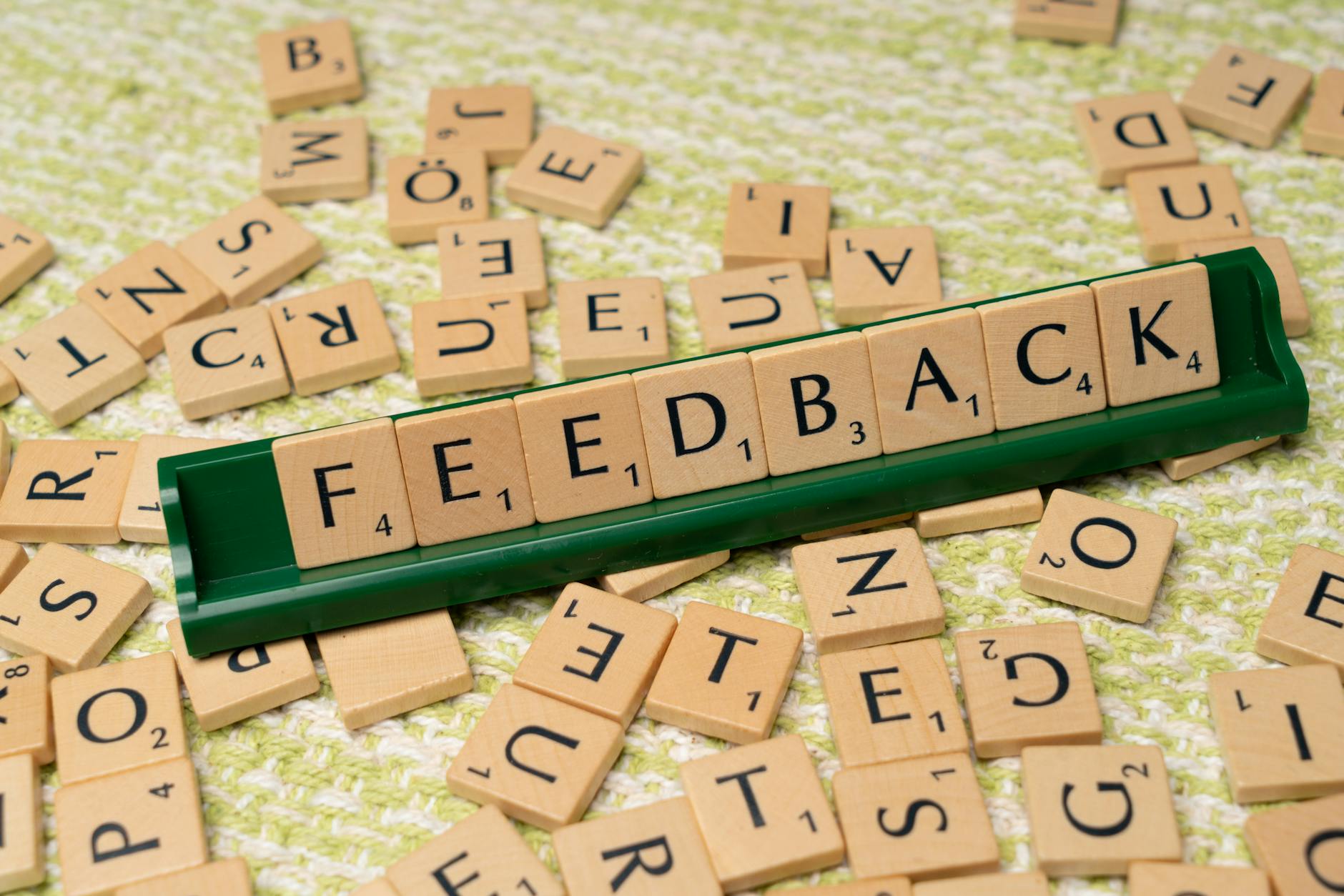
Photo by Markus Winkler on Pexels
Online platforms like Google, TripAdvisor, and Yelp are showcases where customers express their opinions freely. These reviews not only affect external perception but also offer an introspective view into your daily operations. For this reason, it's crucial to implement an effective system to monitor and analyze these opinions. Tools like HolaRevi allow you to efficiently collect and manage reviews, facilitating pattern identification and enabling you to focus on what truly matters to your customers.
Analyzing Reviews to Identify Improvement Areas
Analyzing customer reviews allows you to objectively identify areas for improvement. This process should be systematic and continuous, starting by gathering all available opinions from different platforms. Think of reviews as data that you need to break down into manageable parts. You can use qualitative analysis techniques to identify common themes, categorize critiques, and assess their frequency. This will help you distinguish isolated issues from persistent patterns.
- Collect and organize reviews: Create a database with all opinions, using tools like HolaRevi to streamline this process.
- Classify by themes and frequency: Group critiques into categories such as service, food quality, wait times, etc.
- Identify patterns: Look for repeated mentions of certain issues to prioritize actions.
- Investigate causes: Conduct internal meetings to understand the roots of the most frequent problems.
- Consult specific guides: For an in-depth analysis, our guide on review analytics for restaurants offers advanced techniques.
Implementing Service Changes Based on Feedback
Once you have identified areas for improvement, it's crucial to act swiftly and effectively. Implementing changes based on customer feedback can turn a critique into an opportunity. When customers mention issues like long wait times, an uncomfortable atmosphere, or dishes that don't meet expectations, you should be prepared to adjust your operations accordingly.

Photo by Ketut Subiyanto on Pexels
- Prioritize issues: Not all identified issues will have the same impact. Decide which are more critical and address them first.
- Develop an action plan: Create a detailed document outlining the specific actions you will take to address each problem.
- Communicate the changes: Inform your entire team about the modifications and why they are necessary. Clear and effective communication ensures everyone is aligned.
- Test and adjust: Implement changes on a trial basis and measure results. Adjust as necessary to optimize effectiveness.
- Review the results: After an implementation period, evaluate if the changes have had the desired impact and adjust strategies as needed.
Training Staff to Address Common Feedback
Continuous staff training is essential for effectively addressing common critiques found in reviews. Training should be specific and oriented to the improvement areas identified through customer opinions. It's not just about teaching technical skills, but inspiring a proactive and customer-focused attitude.
- Develop a response manual: Create a document offering guidelines on how to handle common comments and difficult situations, ensuring staff have the tools to respond professionally.
- Organize role-playing workshops: Simulate common situations based on reviews to practice appropriate responses and build staff confidence.
- Foster a culture of continuous improvement: Encourage your team to share their own ideas on how to improve service, integrating them into solutions when possible.
- Use supportive technologies: Implement review management systems that allow staff to receive immediate notifications about new critiques, facilitating a quick and effective response.
For further improvement, consider following strategies described in our guide to managing Google review responses with AI.
Using Positive Reviews to Motivate the Team
Positive reviews are more than a pat on the back; they are a powerful tool to motivate your team and foster a positive work environment. Sharing these praises not only reinforces the good work done but also encourages employees to continue striving to provide exceptional service.

Photo by Leeloo The First on Pexels
- Share in team meetings: During regular meetings, take time to read positive reviews aloud. This creates an atmosphere of recognition and celebration.
- Publicly recognize mentioned employees: Make a conscious effort to acknowledge employees mentioned in positive reviews, either through announcements at meetings or internal postings.
- Establish incentives: Offer small but meaningful rewards for those who consistently receive praise in reviews, such as bonuses or additional time off.
- Use reviews in training: Include examples of positive reviews in staff training to demonstrate effective practices others can follow.
Tracking and Measuring the Impact of Changes
It's crucial to measure the impact of the implemented changes to understand if they are truly enhancing the customer experience. Use metrics like customer satisfaction, wait times, and repeat visit frequency to evaluate progress. Additionally, review analytics tools allow you to monitor how customer opinions change over time.
- Conduct regular satisfaction surveys: These surveys provide direct information on how customers perceive the changes.
- Compare metrics before and after changes: Use analytics tools to compare key metrics and assess the effectiveness of implemented improvements.
- Monitor review trends: Observe if negative critiques decrease and positive ones increase after the changes.
- Adjust your strategies: If improvements don't produce the expected results, review and adjust your action plans based on the obtained results.
Key Takeaways
- Customer reviews are vital for identifying improvement areas.
- Implementing changes based on feedback strengthens the customer experience.
- Staff training is crucial for handling common feedback.
- Positive reviews motivate and recognize the team's efforts.
- Continuously measure and evaluate the impact of implemented changes.
Conclusion and Next Steps for Continuous Improvement
Restaurant owners who use reviews as a strategic tool are better positioned to offer an exceptional customer experience. Implement a continuous system for collecting and analyzing feedback, and train your team so that every customer interaction is positive. Remember, enhancing the customer experience with reviews is an ongoing process that requires attention and adaptation.
For more details on how to respond to reviews, check out our guide to managing Google review responses with AI and how to respond to negative Google reviews effectively.
Frequently asked questions
How do reviews affect customer loyalty?
Positive reviews boost customer trust and loyalty, while negative ones offer improvement opportunities. Addressing critiques effectively can turn negative experiences into positive ones, promoting loyalty.
What should I do with recurring negative reviews?
Analyze underlying causes of recurring negative reviews and implement specific improvements. Respond constructively and promptly to each review, showing customers you value their opinions and are committed to change.
Is sharing reviews with the entire team useful?
Yes, sharing reviews with the team is very useful. Critiques offer learning opportunities, while positives motivate and reinforce desired behaviors. This fosters a culture of continuous improvement and customer focus.
How to measure the improvement in customer experience?
Measure improvement through satisfaction surveys, review trend analysis, and comparison of key metrics like wait times and visit frequency. Use analytics tools for detailed tracking over time.