Advanced Techniques for Managing Your Restaurant's Online Reputation
Learn to handle and enhance your restaurant's online image
Managing your restaurant's online reputation is crucial for attracting and retaining customers. Through customer reviews, you can improve your business's perception and stand out in the market. Let's explore advanced techniques to manage and enhance your online reputation.
The Importance of Online Reputation for Restaurants
A strong online reputation is vital for restaurants in today's digital world. Around 93% of consumers read online reviews before deciding where to dine. This means that the opinions left by customers on platforms like Google, TripAdvisor, or Yelp can significantly influence other potential customers' decisions. A solid reputation attracts more diners and can set you apart from the competition. Furthermore, positive reviews not only attract new customers but also increase the trust and loyalty of existing ones. A Harvard Business School study found that a one-star increase in Yelp ratings can boost your revenue by 5% to 9%.

Photo by Ann H on Pexels
Given this, online reputation becomes an extension of the experience you offer in your venue. Enhance Customer Experience with Restaurant Reviews is a valuable resource to better understand this impact and how to actively manage public perception.
How to Identify and Prioritize Reviews That Affect Your Reputation
To efficiently manage your reputation, you first need to identify which reviews have the most impact. This involves more than just responding to all reviews; it's about understanding which are the most influential. Prioritize those appearing on high-traffic platforms such as Google and TripAdvisor. Review analytics tools can help classify these opinions based on their influence.
Observe trends in recurring comments: Are customers satisfied with the service, food, or ambiance? This will help you identify areas for improvement. For instance, if several reviews mention slow service, this could be a critical area to address.
Classify the reviews into:
- Positive reviews: Highlight your strengths and should be used as examples of what you do well.
- Critical negative reviews: Require immediate attention to mitigate negative impact.
- Constructive comments: Offer valuable suggestions for improvement and can be used to make positive changes to your business.
By implementing an effective review management strategy, you can turn these critiques into opportunities to enhance your service.
Advanced Techniques to Improve Reputation Through Responses
Responding to reviews is key to maintaining a good relationship with your customers and improving your online reputation. Here are some advanced techniques you can implement:

Photo by cottonbro studio on Pexels
- Personalize responses: Address the customer by name and mention specific details from their review. This shows that you value their feedback and are not using generic responses.
- Be grateful: Thank the customer for their time and comments in both positive and negative reviews. This underscores your commitment to customer satisfaction.
- Offer solutions: In the case of criticisms, it's crucial to offer a solution or invite the customer to a more private conversation to resolve the issue. This gesture not only calms the dissatisfied customer but also demonstrates to others that your restaurant cares about their experiences.
- Learn from criticisms: Show in your responses how you have used their feedback to improve. This not only reduces the impact of the criticism but also can turn a negative experience into a positive lesson for your business.
To ease this process, consider using automation tools as discussed in Guide to Managing Google Review Responses with AI.
Strategies to Encourage Positive Reviews and Manage Negative Ones
To encourage positive reviews, it is essential to offer an experience that invites customers to share their satisfaction online. Here are some strategies you can use:
- Provide an exceptional experience: The most effective way to get good reviews is by exceeding your customers' expectations. Ensure every element of their visit, from the welcome to the farewell, is memorable.
- Ask politely: Request customers to leave a review, especially if they express satisfaction during their visit. You can do this through a direct comment or a note in the bill.
- Implement incentives: Offer small incentives, like discounts on their next visit or special offers, for those who leave a review. This can be an excellent way to encourage satisfied customers to share their experience.
To manage negative reviews, follow these steps:
- Respond quickly and with empathy: The sooner you respond, the faster you can mitigate any potential damage.
- Accept criticism and offer a solution: This shows that you are willing to learn and improve.
- Use criticisms to improve: Analyze negative reviews to identify patterns and areas that need attention.
Reinforce these strategies by consulting How to Respond to Negative Google Reviews Effectively, where precise techniques are detailed to turn these criticisms into improvement opportunities.
Tools and Technologies to Monitor Online Reputation
Effective reputation management requires technological tools that help you track and analyze reviews. Platforms like HolaRevi facilitate monitoring and responding to reviews across multiple platforms from one place. They also provide detailed analytics to better understand your restaurant's perception.
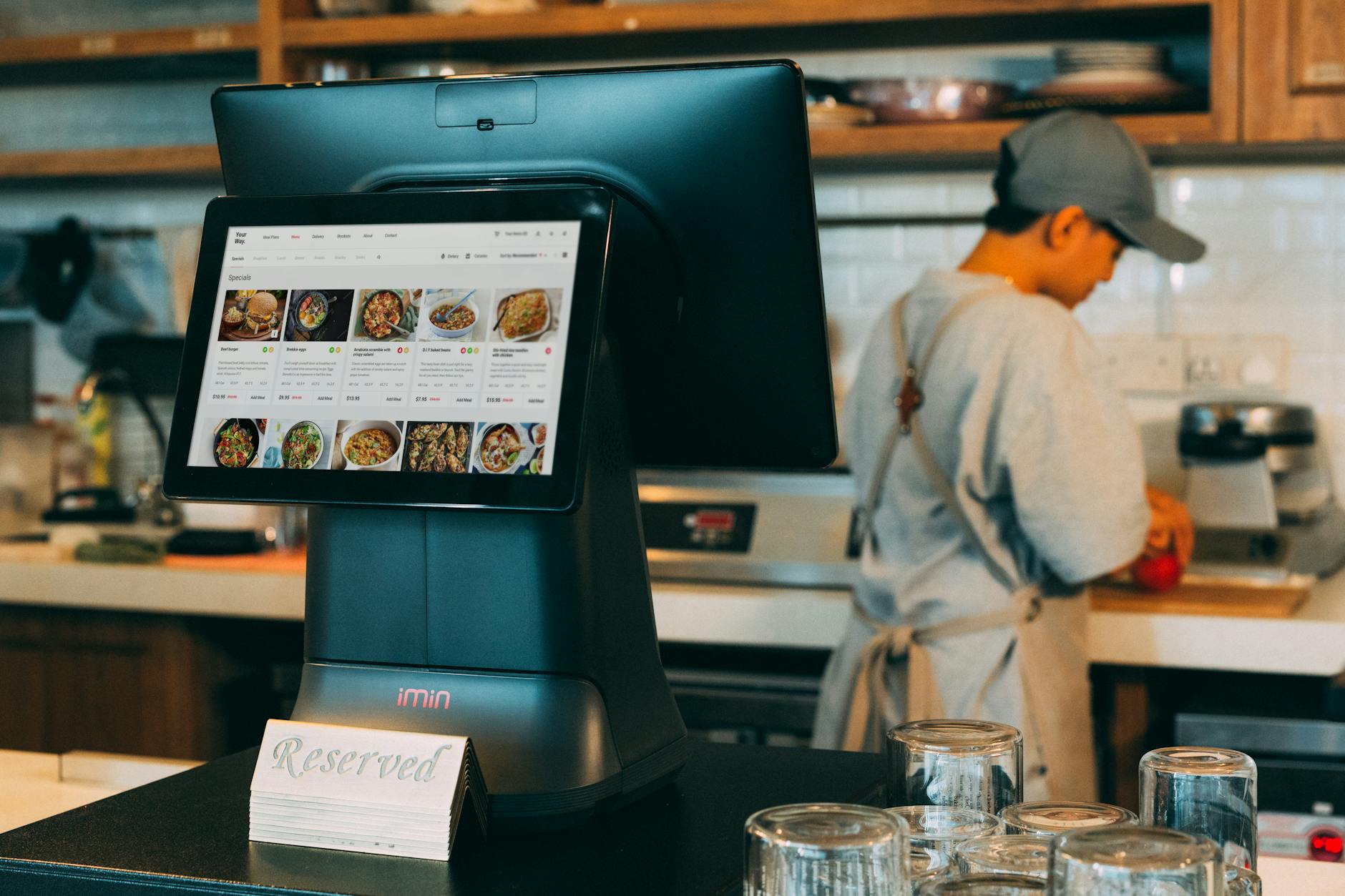
Photo by iMin Technology on Pexels
Other tools include:
- Google Alerts: Set up alerts to receive notifications about new mentions of your brand or keywords related to your business.
- Review analytics software: Useful for identifying trends and areas of improvement. These tools can provide reports on overall sentiment, the volume of positive versus negative reviews, and much more.
- Social media management platforms: Such as Hootsuite or Buffer, which allow you to monitor and quickly respond to comments on social media.
Learn more about how these tools can be successfully implemented in How to Implement Review Analytics for Restaurants.
How to Involve Staff in Managing Online Reputation
Involving your staff is vital for effectively managing your online reputation. After all, they are the visible face of your restaurant and have a direct impact on the customer experience.
To achieve this, follow these steps:
- Train your team: Ensure all staff members understand the importance of reviews and how they impact the business. Organize training sessions to explain how they should interact with customers at all times.
- Encourage internal communication: Establish a system where staff can communicate critiques or comments directly to the management team. This ensures that issues are resolved quickly.
- Motivate employees: Implement incentive systems for staff who receive positive mentions in reviews. This not only improves their performance but also reinforces positive behavior.
- Include staff in the improvement process: Ask your team to participate in creating strategies to improve critical areas identified through reviews.
Implementing a Review-Based Loyalty Program for Your Restaurant can also motivate both customers and employees, creating a positive cycle of continuous improvement.
Key takeaways
- Online reputation is crucial: Attract and retain customers with a strong digital presence.
- Prioritize reviews: Identify and address the most influential reviews on high-traffic platforms.
- Personalized responses: Build personal connections and offer solutions to critiques.
- Encourage positive reviews: Offer exceptional experiences and use incentives to encourage reviews.
- Use technological tools: Efficiently monitor and analyze your online reputation.
- Involve staff: Your team should be an integral part of the reputation management strategy.
Conclusion and Next Steps to Strengthen Online Reputation
Managing your restaurant's online reputation is not a task you can ignore. With the advanced techniques we've discussed, you can significantly improve your business's perception and attract more customers. Start by implementing these strategies and tools today, and watch how your online reputation drives your restaurant's success.
Frequently asked questions
How does online reputation affect my restaurant's success?
Online reputation directly influences potential customers' decisions. A good reputation attracts more diners, increases current customers' trust and loyalty, and can significantly boost your revenue.
What tools help me monitor online reviews?
Platforms like HolaRevi allow you to monitor reviews from one place. Google Alerts notifies you of new mentions, and review analytics software helps identify trends.
What is the best way to respond to negative reviews?
Respond quickly and empathetically, accept the criticism, and offer a solution. Use criticisms to improve and show customers your willingness to learn and improve.
How can I motivate customers to leave positive reviews?
Offer exceptional experiences and politely request reviews. Implement incentives like discounts or special offers to encourage satisfied customers to share their experiences.