How to optimise your Google Business Profile: a field-by-field checklist
Name, categories, hours, description, photos and reviews: what to put in each field, according to Google's own help.
To optimise your Google Business Profile, fill in every field with accurate, complete and current information: name, categories, opening hours, description, attributes, services or menu, photos, posts and replies to reviews. There is no shortcut. Google asks for information that is as complete as possible and that follows its guidelines for representing your business. Below is a field-by-field checklist, based on Google's own help pages, with examples from real types of UK businesses.
First: verify your profile and look at it like a customer
If you haven't claimed and verified your profile yet, do that first: verification tells Google you're authorised to represent the business. Then search for your business on Google and Google Maps from your phone and note what's missing or wrong: old opening hours, a blurry photo from 2019, a phone number nobody answers.

Photo by 🇻🇳🇻🇳 Việt Anh Nguyễn 🇻🇳🇻🇳 on Pexels
Two things to know from Google's help on editing your profile: edits are reviewed before they go live, and changing your name after verification may mean verifying again. Plan your changes and make them in one go.
How to optimise your Google Business Profile, field by field
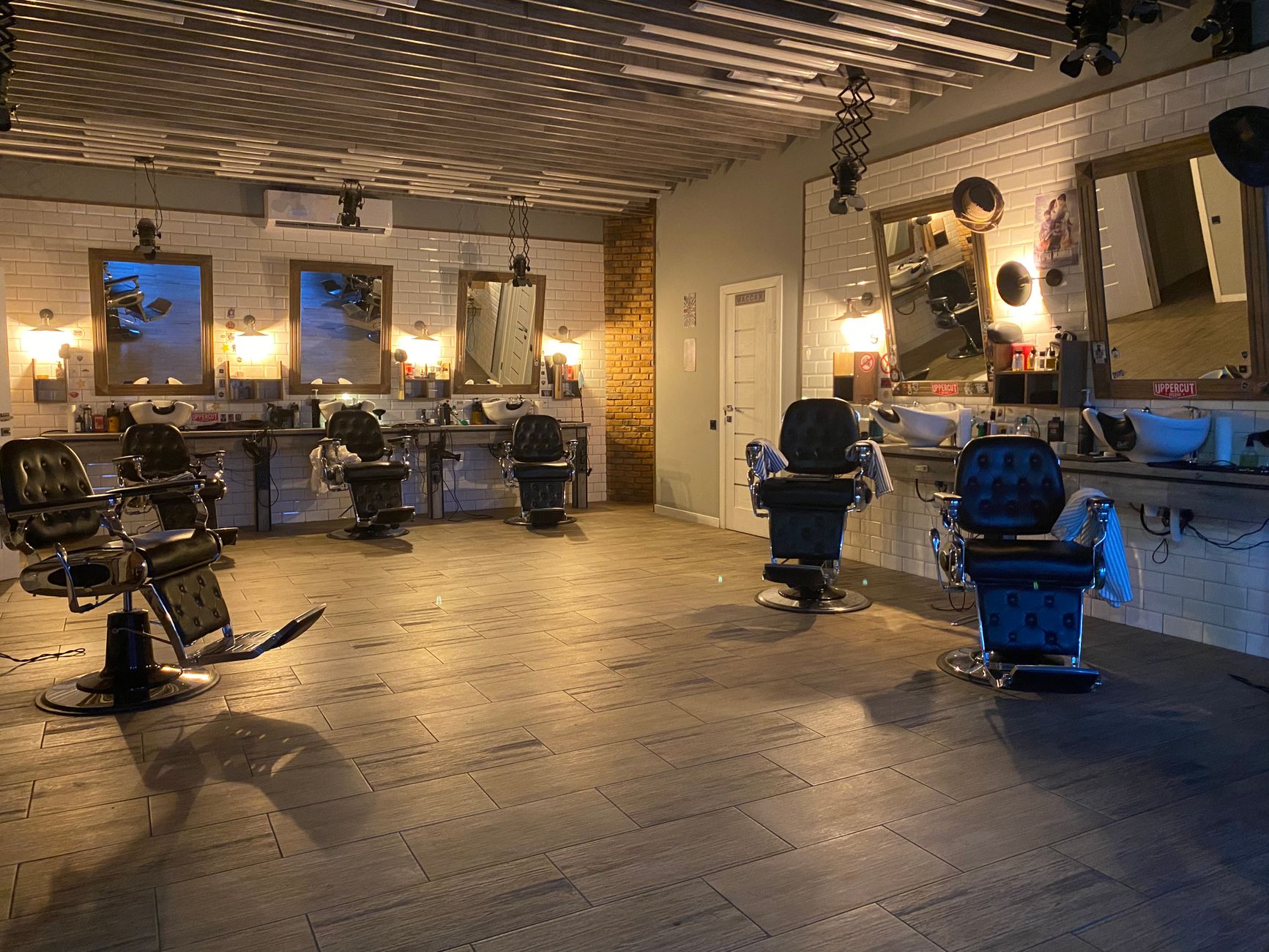
Photo by Лена Gromakova on Pexels
1. Business name: the real one, no keywords
Your name should match your shopfront sign, website and receipts. Google's guidelines don't allow unnecessary information: no slogans, no town name, no list of services. If your café is called "The Corner Cup", don't list it as "The Corner Cup – Best Coffee & Brunch Leeds". It may look like a quick win, but it breaks the rules and risks Google editing or suspending your profile.
2. Primary and additional categories
The primary category matters most. Pick the most specific one that describes what your business is, not what it has. A dental practice in Bristol is "Dentist", not "Health"; a fish and chip shop in Whitby is "Fish and chips takeaway" if that option exists for you. You can add up to nine additional categories, but Google says to use as few as possible and never as keywords. A garage that also fits tyres can add "Tyre shop"; it doesn't need ten versions of "car repair".
3. Opening hours and special hours
Wrong hours are one of the most frustrating mistakes for customers: they turn up and find the shutters down. For bank holidays, Christmas and Boxing Day, use special hours rather than changing your regular hours, so you don't forget to switch them back. If you close for a season, you can mark the business as temporarily closed. A practical habit: when you plan the year's rota, add every bank holiday to your profile at once.
4. Description: 750 characters to say who you are
You have up to 750 characters. Explain what you do, who for and what makes you different, with facts: "Family-run garage in Leicester since 1998. Servicing, MOT preparation and air-con repairs. We send you a quote before we touch the car." Leave out links, prices, offers and lists of keywords.
5. Attributes
These are factual tick boxes: outdoor seating, wheelchair-accessible entrance, Wi-Fi, vegan options, card payments, appointments required. Go through every attribute Google offers for your category and tick only the true ones. Some subjective attributes come from what users say, not from you.
6. Services, products or menu
The menu editor is only available for food and drink businesses. If you run a pub or restaurant, use the dish names people actually say ("Sunday roast", not "chef's signature"). Salons, clinics and trades should list services with a short description each. It's the clean way to show what you do without stuffing the name or categories.
7. Photos and videos
Google's photo and video help asks for JPG or PNG files between 10 KB and 5 MB, 720 × 720 pixels recommended, in focus and well lit. Videos can be up to 30 seconds and 75 MB. As a minimum:
- A logo and a cover photo that represents the business.
- The shopfront as seen from the street, so people recognise you on arrival.
- Inside, plus your product or service: the bar, the dishes, the treatment room.
Shoot in daylight and refresh photos when something changes, such as a refit or a new seasonal menu.
8. Posts
Posts can be updates, offers or events. According to Google's help on posts, posts older than six months are archived if you don't set a date range, so an occasional post keeps the profile current: a bakery in Bath announcing its Christmas order deadline, a gym in Cardiff running an open day.
9. Questions and answers
Google says this section is only available in certain regions and categories, and many profiles no longer show it. If yours does, answer questions yourself, clearly. If not, put those answers (parking, dogs welcome, booking needed) in your description, attributes and services.
Reviews and replies: the field that never ends
Reviews are the living part of your profile. Google's local ranking tips say replying shows you value customers' feedback, and that prominence takes into account the number of reviews and ratings.
Ask every customer for a review with your profile's link or QR code, ideally right after they pay. What you mustn't do, under the Google Maps content policy: offer discounts or freebies for reviews, ask only happy customers, or discourage negative ones. Never buy reviews, and don't try to get genuine critical ones removed.
When you reply, mention something specific from the review and avoid copy-and-paste lines. For tough ones, see how to respond to negative Google reviews effectively. If you run a restaurant, how to optimise your restaurant on Google Maps adds hospitality-specific ideas.
Common mistakes
| Mistake | Why it hurts | Fix |
|---|---|---|
| Keywords in the name | Breaks Google's guidelines | Use the name on your sign |
| Generic primary category | Weaker match for searches | Pick the most specific one |
| No bank holiday hours | Customers find you closed | Use special hours |
| Old or stock photos | People don't recognise you | Your own photos, in daylight |
| Unanswered reviews | Looks like nobody's minding the profile | Reply to all, old ones too |
| Asking only happy customers | Against Google's policy | Ask everyone the same way |

Photo by Athena Sandrini on Pexels
Where to start today
- Check your profile on your phone and list what's wrong.
- Fix the name and review the primary category.
- Add special hours for the next bank holidays.
- Write the description and tick the attributes.
- Upload five of your own photos.
- Fill in services or menu.
- Reply to pending reviews and put your review link or QR code where customers pay.
Most fields only need setting up once and checking every few months. Reviews arrive every week. If keeping up is hard, HolaRevi replies to your Google reviews with AI in your business's tone, mentioning what each customer said, and you choose whether replies publish automatically or wait for your approval. To make reviews easier to leave at the counter, have a look at our NFC stands.
Frequently asked questions
Can I add keywords to my Google Business Profile name?
No. Google's guidelines say your name should reflect your real-world business name, as it appears on your sign, website and stationery, and adding unnecessary information such as your town, a slogan or a list of services isn't permitted. Doing it risks Google editing or suspending your profile. Show what you do through categories, the description and services instead.
How many categories can I have on Google Business Profile?
One primary category and up to nine additional ones. Even so, Google asks you to use as few as possible to describe your core business and never to use categories as keywords. Choose the most specific primary category, such as "Dentist" rather than something broader, and add extra ones only for services you genuinely offer.
How long can a Google Business Profile description be?
Up to 750 characters. Use them to explain what you do, who for and what makes you different, with facts like when you opened and how you work. Google doesn't want links, prices, offers or discounts in the description, nor a string of keywords. Write it the way you'd explain your business to a new customer at the counter.